Network tokens: the digital credential upgrade that protects revenue
When a card expires or gets replaced, approvals drop, retries pile up, support tickets spike, and customers churn because “it stopped working.”
Network Tokens help solve this by improving payment continuity, making them a low-effort enhancement with outsized impact. Tokenisation modernises how card credentials are represented and refreshed, helping keep customer payment data more secure, prevent avoidable declines, and potentially reducing payment costs.
Before we dive into why, it helps to understand the different token types you’ll see in payments.
The token types (and what they actually mean)
Vault tokens (traditonal tokens)
Payment providers “tokenise” cards by replacing the PAN, a 15–16-digit number on all credit and debit cards with a non-sensitive string that can only be used by the business that created it. This helps businesses reduce the risk of data breaches and stay PCI compliant.
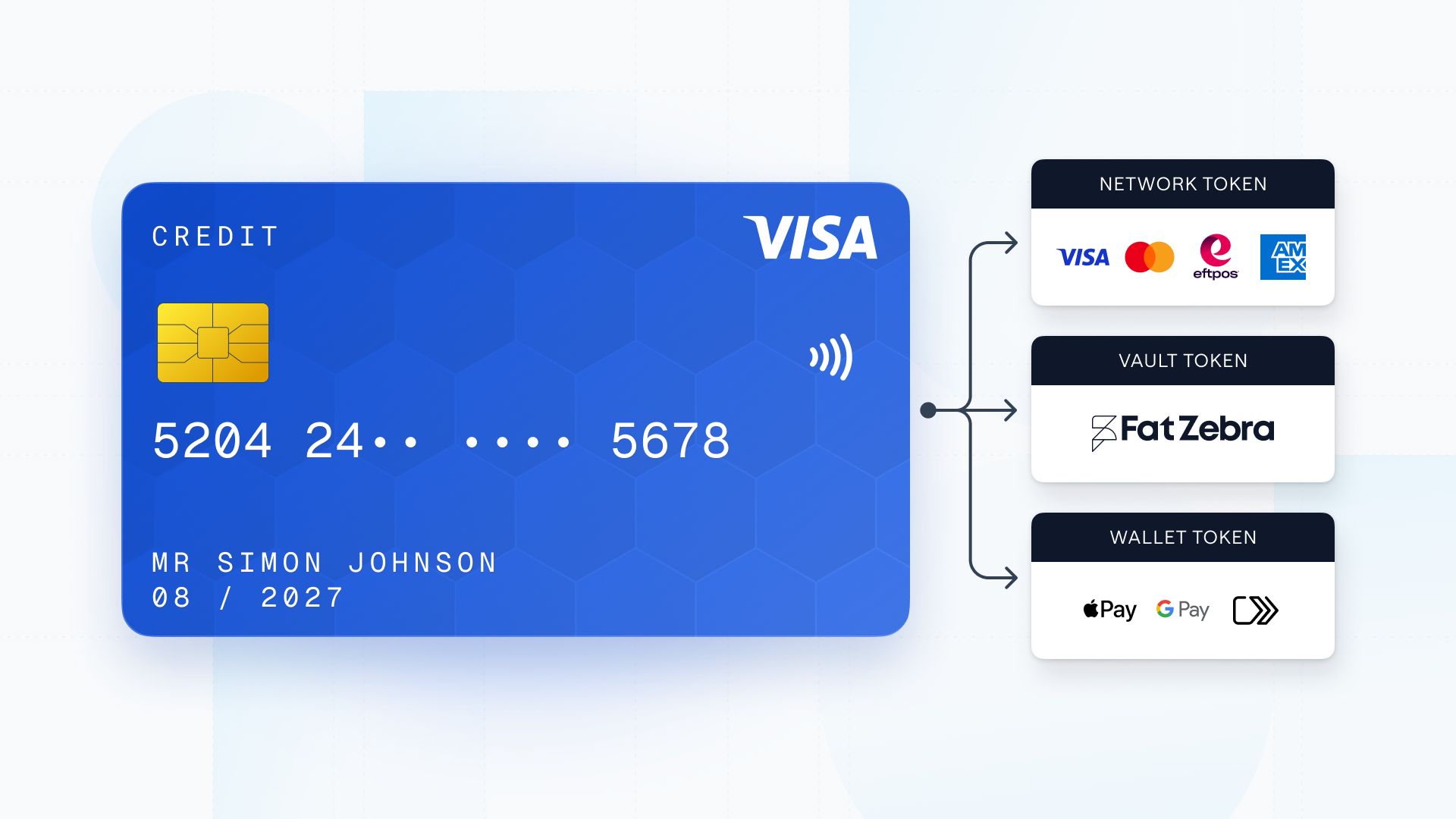
Network tokens (also called stored credentials)
A network token is a digital replacement for a cards primary account number (PAN) specific to a card-merchant pair. It still represents the same underlying account, but it’s designed to be:
- Safer to store and transmit than a PAN
- Harder to misuse, because it can be scoped to a specific merchant
- Easier to keep current, thanks to lifecycle updates
- Increased Authorisation Rates, if the underlaying PAN changes or expires, the token remains usable. This reduces declines due to expired credentials
“Network tokens reduce credential drift by keeping stored credentials up to date — cutting avoidable declines and involuntary churn.
Network tokens reduce costs
Using network tokens can offer cost savings for businesses when used in place of a PAN or traditional token - because the token is tied to the card-merchant pairing, it carries a lower risk profile.
Network tokens help increase acceptance rates, but they're not the only lever
Tokenisation is foundational infrastructure, but strong authorisation performance usually comes from a stack of optimisations working together. For recurring merchants, the big ones tend to be:
- Lifecycle updates (reduce "stale credential" declines)
- Smarter retry logic (timing, spacing, and reason-code-aware retries)
- Soft-decline handling (knowing when to retry vs route to step-up)
- Authentication strategy - when relevant (minimise friction, only escalate when needed)
- Cleaner payment signals (consistent descriptors, stable merchant data, reduced fraud noise)
- Checkout flow designed for ease-of-use (minimal fields, multiple payment options)
Network tokens amplify these efforts because they reduce fraud surface area and keep credentials fresh, making your retries and routing decisions more effective.
Where Fat Zebra fits
At Fat Zebra, network tokenisation support is part of building more resilient stored-credential flows, especially for subscription and recurring revenue business models.
Whether you're selling phone plans, insurance, or SaaS, the value of tokenisation shows up in recurring revenue results:
- fewer declines
- higher authorisation rates
- less churn triggered by preventable payment issues
Fat Zebra handles tokenisation for you, so you can stay focused on your product and customer experience.